
Production Services ·
Planning a Compressed EPK Day
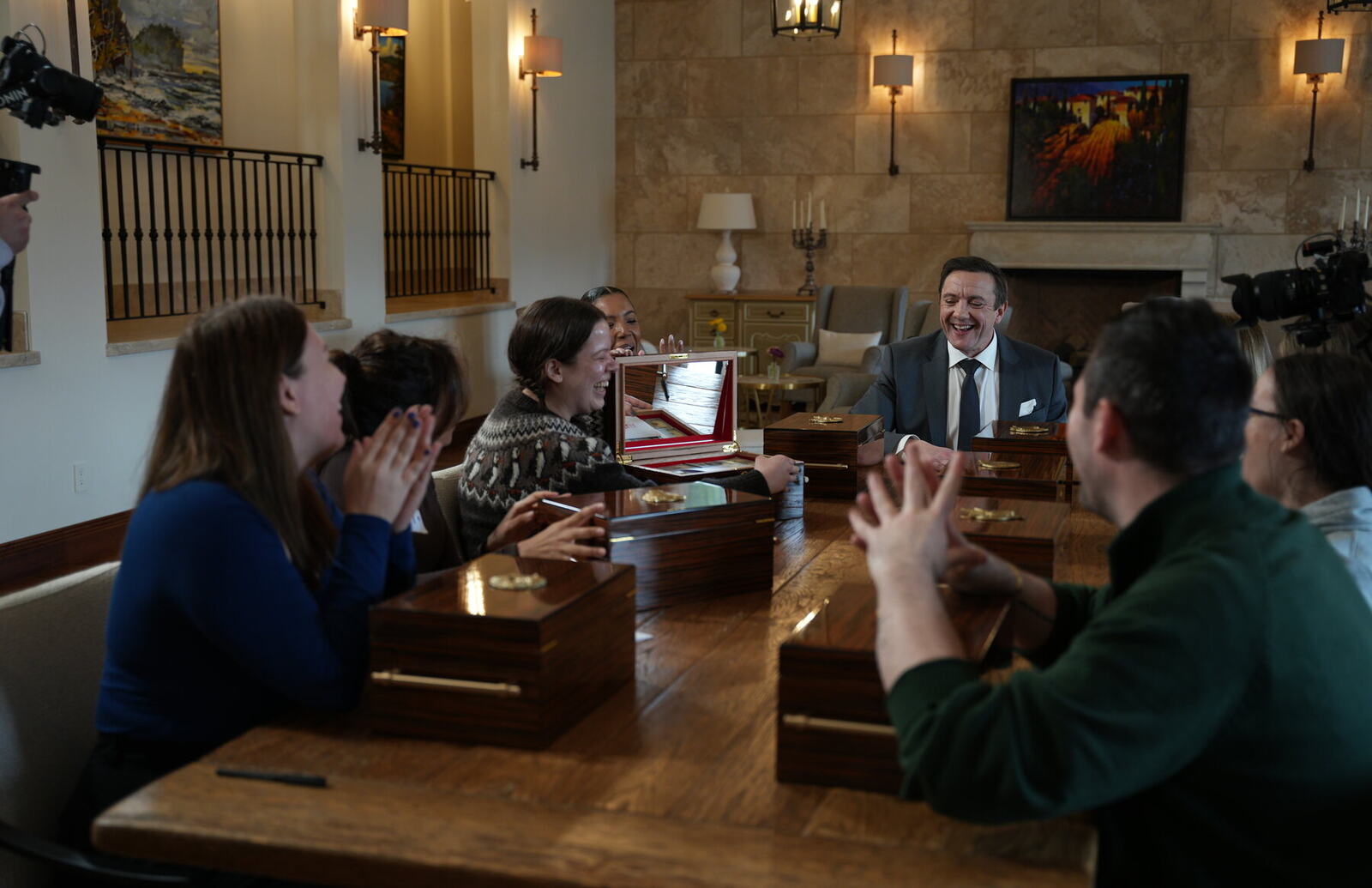
A press day can move talent, interview crews, podcast capture and publicity material through one location in a matter of hours. KFS served as local producer and production manager for the Season One Million Dollar Secret EPK at Chateau Okanagan. These are the planning decisions that keep rooms, crew and media delivery on the same schedule.
Define the deliverables first.
List everything that has to leave the location before choosing a camera package. A seated interview, podcast recording, press pickup, social cutdown and game segment can need different framing, isolated audio, timecode, slates, notes and file organization. Put each output, technical requirement and deadline in the brief.
During the Season One Million Dollar Secret EPK, a seven-person local crew supported press interviews, podcast capture and several reality-format setups in one day. KFS served as local producer and production manager, planning the crew, equipment and location workflow. Read the Million Dollar Secret EPK case study for the production details, or visit the Netflix series page for the show.
Schedule the rooms and movement.
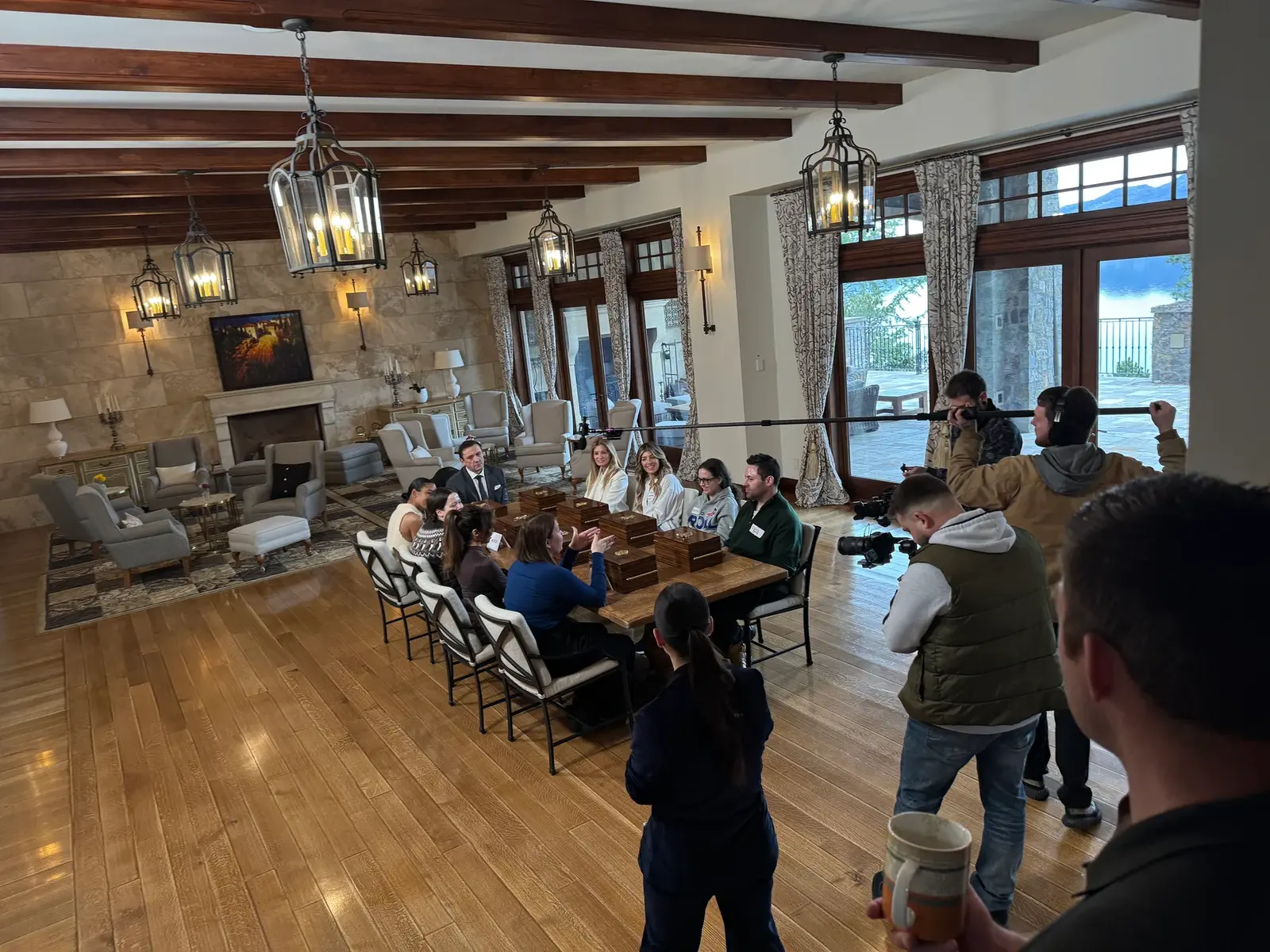
Every interview room needs a workable background, clean sound, power, lighting space, monitoring space and a clear route for talent and press. Add load-in, holding, resets and quiet zones to the same floor plan. If two setups share a hallway or adjacent sound, the schedule has to show that conflict.
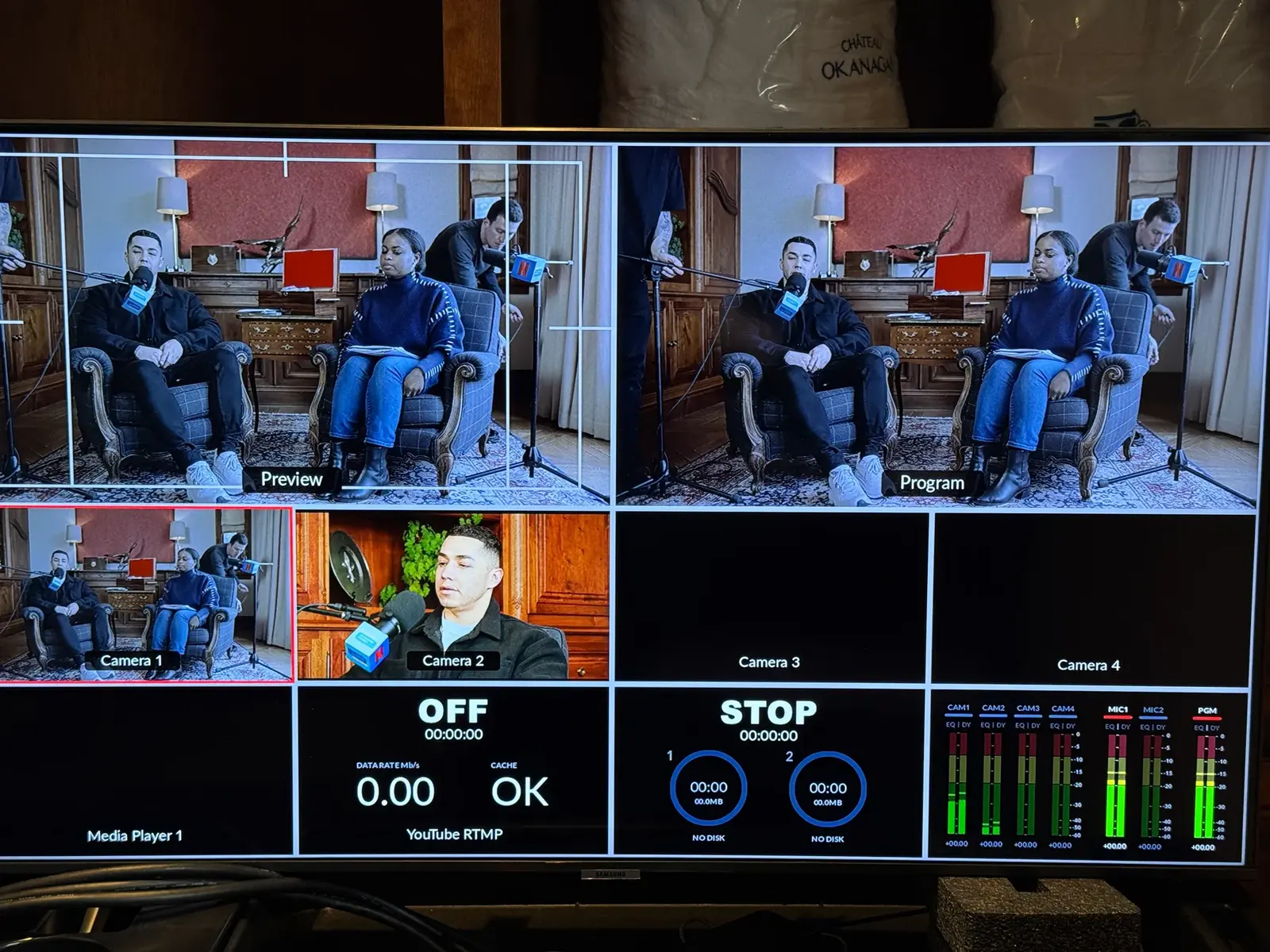
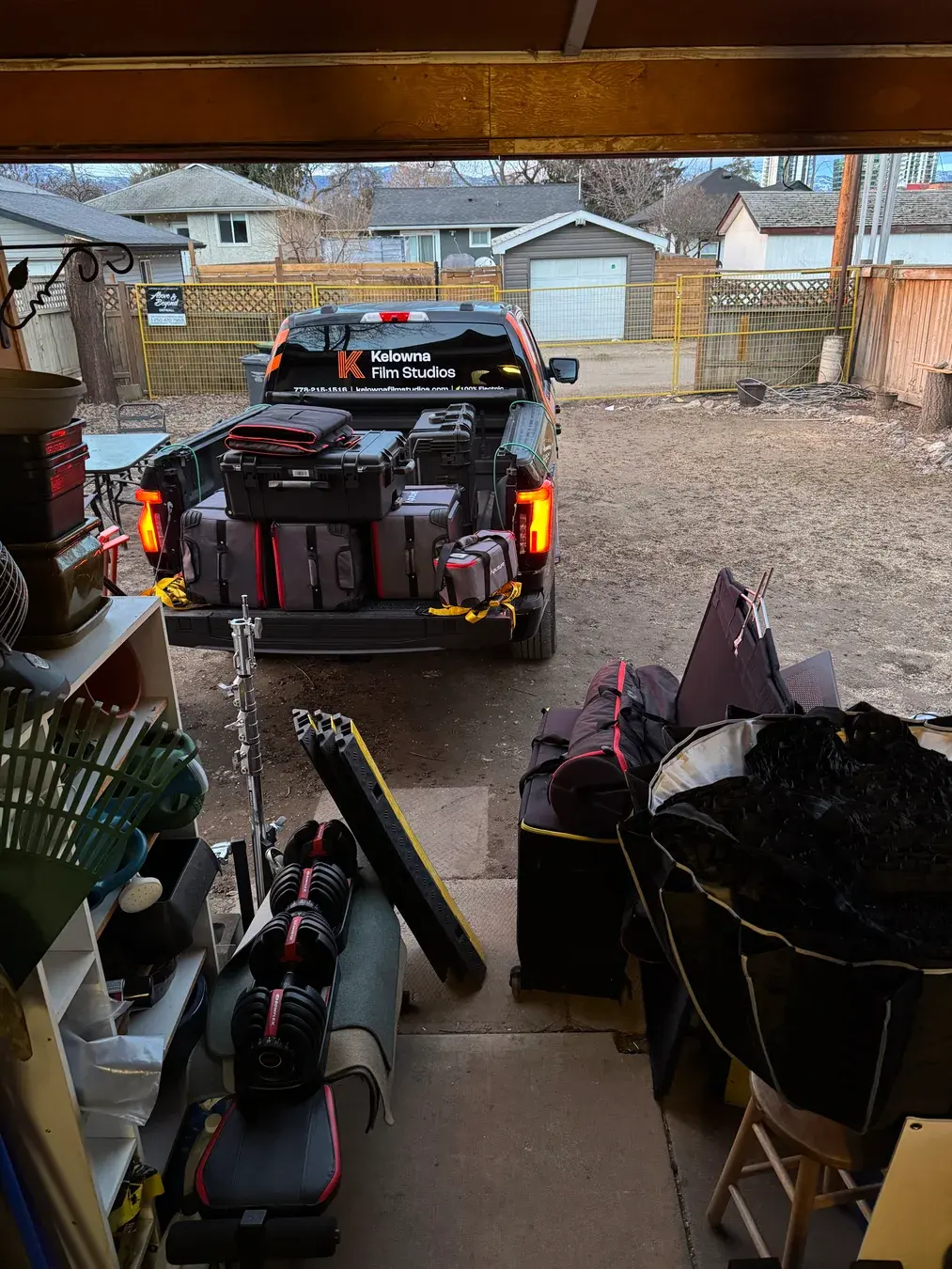
At Chateau Okanagan, two camera units and two audio units moved through several setups during an approximately fifteen-hour day. KFS planned the room, equipment and location workflow around those requirements. The Chateau Okanagan story identifies the estate as the series location.
Keep camera and sound on one clock.
Agree on camera names, recorder names, isolated tracks, reference audio, frame rates, shared timecode and note format before the cases leave the shop. The rules should survive a room change. If an editor has to guess which audio belongs to which camera, the mistake was made before wrap.
For this EPK, participating talent remained wired through active portions of the day and Tentacle Sync kept timecode consistent across the capture system. Batteries, cards, monitoring and room changes still had to follow the same naming and note plan. Those choices made the media easier for receiving teams to identify and use.
Plan the handoff before wrap.
Write down the required copy count, drive format and capacity, checksum method, labels, custody, sign-off and shipping deadline. Confirm who supplies the drives and whether a verified copy remains local. Transfer time belongs in the schedule when media has to travel the same night.
At wrap, eleven cards were transferred to three drives. One went directly to the Netflix producer; two were shipped overnight to Los Angeles. The drives, transfer window, verification and courier plan had to be ready before the crew reached the end of the day.
Send the production brief early.
A visiting producer should send the interview count, talent windows, deliverable list, preferred camera and audio specifications, timecode requirements, location references, access limits and delivery deadline before crew and equipment are booked. That gives the local producer enough information to test the rooms, schedule and package while there are still options.
For an EPK, press or broadcast day in Kelowna or the Okanagan, review KFS's broadcast and EPK production services and send the dates and production brief. Include the number of setups, the people moving through them and what has to leave the location at wrap.
Working on something similar?
Have a production question this article helped sharpen?
Send the brief, schedule, location reference or delivery requirement. KFS can help test the practical side before the day gets expensive.
Send the Brief