
Production Services ·
Film Production Planning: A Practical Guide
A film production plan connects the idea, money, schedule, people, locations, equipment, post-production and delivery before the shooting day makes every unresolved decision more expensive.

Film production is not one large creative moment. It is a chain of decisions that starts with the reason for the project and ends when a finished film can be screened, delivered, posted or aired without avoidable surprises. The names of the stages vary, but the practical order is consistent: understand the work, prove that it can be made, prepare the shooting plan, capture what the edit needs, finish it properly and deliver the required versions.
Start with the purpose.
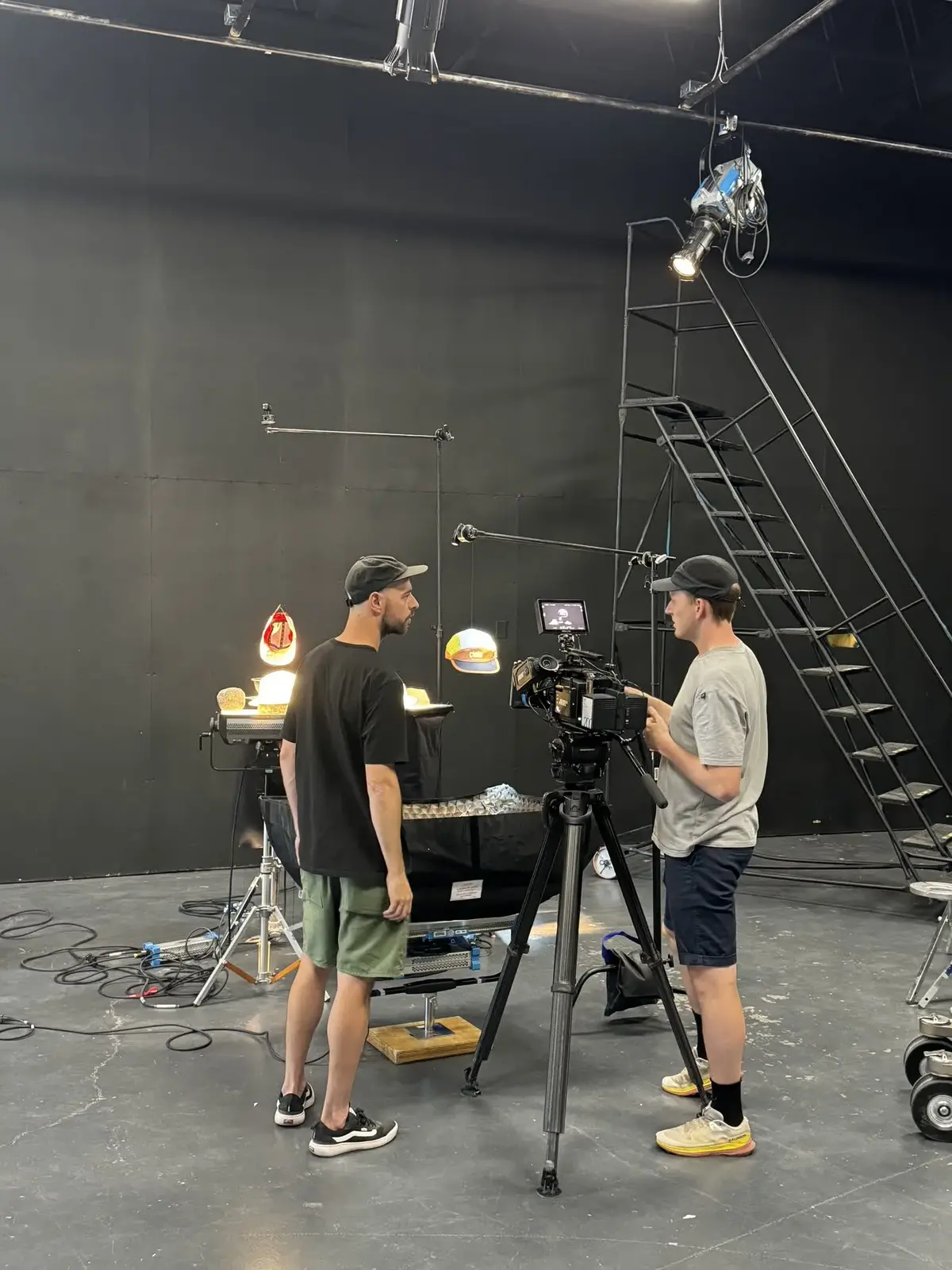
Before building a budget or choosing a camera, define what the film has to do. A narrative feature needs a complete story, rights, cast, financing and a path to an audience. A commercial needs an approved brief, audience, usage, deliverable list and client approval path. A documentary needs subject access, trust, research and a plan for facts or events that may change.
Write down the audience, format, expected length, intended platforms, deadline and decision-makers. Name what is fixed and what is still open. This becomes the test for every later choice: does it help the production make the film that was actually commissioned or developed?
Understand the stages of film production.
A simple model uses development, pre-production, production, post-production and distribution or delivery. Larger projects often separate financing and packaging from development, then split delivery, marketing, distribution and exhibition into their own stages. The labels matter less than the handoffs between them.
Development establishes the concept, story, audience, rights and early creative package.
Financing and packaging connect the material to a budget range, key collaborators, market path and realistic production scale.
Pre-production converts the approved project into a schedule, budget, crew, cast, location, equipment and logistics plan.
Production captures the performances, pictures and sound the edit needs while protecting people, time, media and continuity.
Post-production and delivery shape the material, finish it technically and prepare every required master and version.
Build the budget and schedule together.
A schedule is not only a list of dates. It is the production logic in time. Script breakdowns, locations, cast availability, daylight, travel, company moves, equipment changes, special effects, weather and turnaround all affect how the work can be grouped. A schedule that looks efficient on paper can become expensive if it ignores access, setup or movement.
The budget should follow the same assumptions. Crew days, prep, travel, rentals, locations, permits, insurance, meals, transport, overtime, media, post-production, music, captions and delivery all have to match the actual plan. Keep a contingency appropriate to the project instead of treating every estimate as a promise. The KFS production budget guide explains the practical variables that tend to move a quote.
Plan locations before they control the day.
A location is more than a look. Confirm permission, access hours, parking, loading, holding, washrooms, power, sound, public control, weather cover, safety, restoration and the path between locations. Photograph the useful production details during the scout, not only the frame the director likes.
In Kelowna and the Okanagan, lake access, summer traffic, winter roads, smoke, wind, accommodation demand, long daylight changes and rural power can all affect feasibility. A regional plan should connect the visual choice to the schedule and crew footprint. See Okanagan location scouting for the questions KFS checks before a location is treated as bookable.
Choose crew and equipment for the work.
Start with responsibilities, not job titles copied from another production. Who owns production management, direction, camera, lighting, grip, sound, art, wardrobe, hair and makeup, locations, data, continuity, safety and client communication? On a lean production, one person may cover compatible responsibilities. On a larger day, combining the wrong jobs creates delays or missed material.
The equipment list should follow the same reasoning. Camera format, lenses, support, lighting, grip, audio, monitoring, power, communications, transport and backup need to work as one package. Choose for the location, crew and delivery requirement rather than building a cart from isolated product preferences.
Prepare the shooting day.
Before call time, confirm the latest script or boards, shot priorities, schedule, call sheet, contacts, access, weather, parking, meals, releases, safety notes, equipment, power and data plan. Identify which scenes or shots are essential and which can move if the day changes. A useful backup is specific: another location, a reduced setup, an interior option or a revised order that the right people have already discussed.
Production has to serve the edit. Coverage, performance, eyelines, continuity, clean dialogue, room tone, exposure, focus, movement and inserts all need to give post-production enough material to build the intended piece. Beautiful individual shots cannot replace missing story or unusable sound.
Protect media and production information.
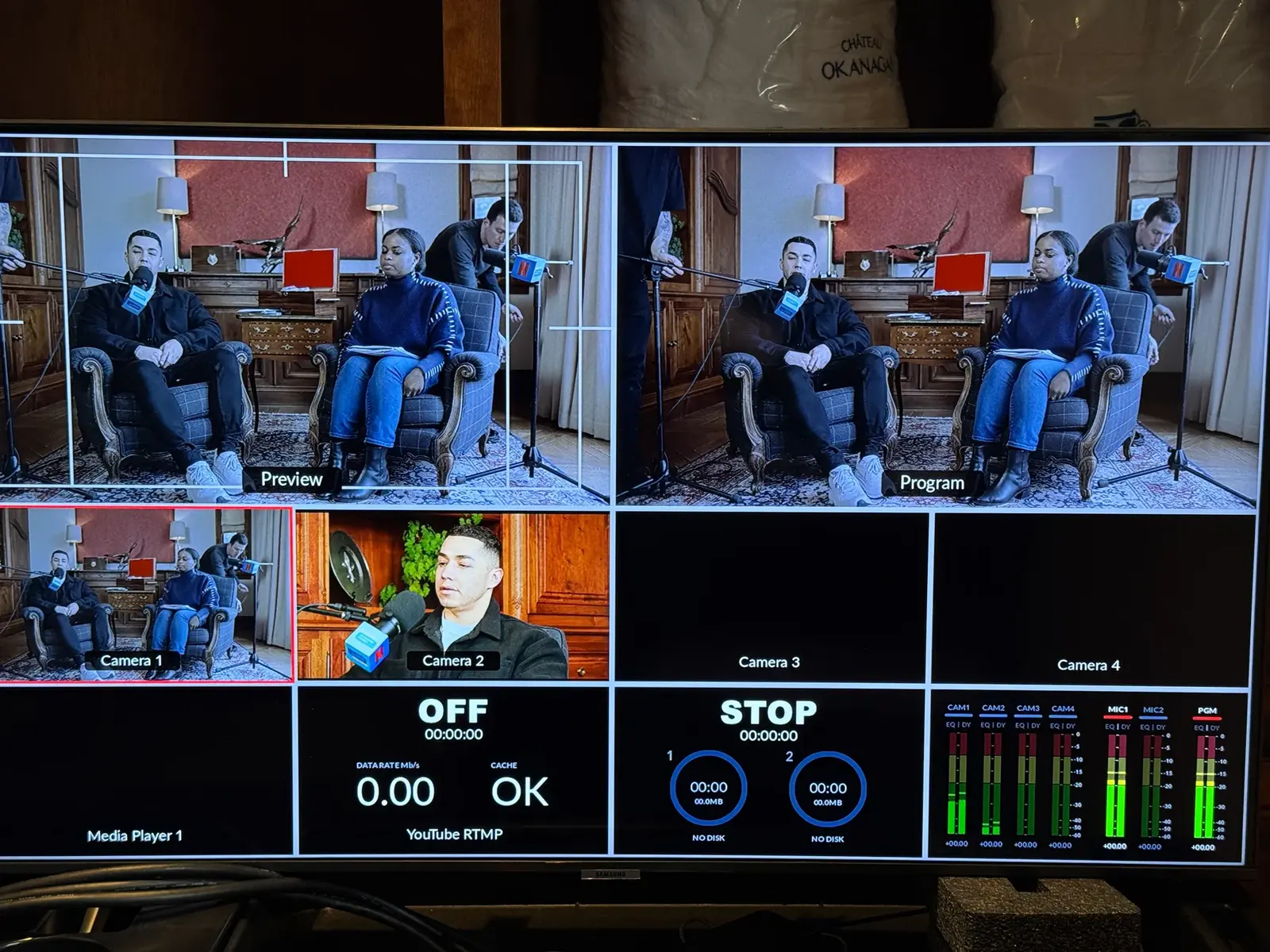
Name the recording formats, media volume, card rotation, file structure, verification, backups, sound reports, camera reports and handoff before shooting. A copy is not a backup until it has been checked, and a drive is not a delivery plan until the recipient knows what it contains and when it will arrive.
Keep the production documents current as well. Schedule changes, contact details, releases, continuity notes, approvals and client decisions should reach the people who need them without turning a private production record into a public file.
Plan post-production before wrap.
Editing should begin with the story and purpose established in development. Performance, clarity, pacing, tone, visual impact, sound and continuity all matter, but their priority changes with the project. A commercial may be locked to several exact durations. A documentary may need fact checking and careful consent. A narrative piece may need room to discover its final rhythm.
Picture edit, sound edit, dialogue cleanup, music, visual effects, graphics, colour, captions, quality control and approvals need owners and deadlines. Capture choices affect all of them. If the final piece needs vertical crops, clean plates, international versions or extensive cutdowns, the shooting plan should leave room for those versions.
Define delivery before the final export.
List every required master and derivative: duration, resolution, frame rate, aspect ratio, codec, audio layout, loudness, captions, texted and textless versions, thumbnails, filenames and transfer method. Confirm who approves each version and where the final files will live.
Delivery is the last proof that the production plan worked. A film is not finished because one export played on the editor's screen; it is finished when the required audience or platform can receive the right version and the production can account for the approved masters.
Use a short production-planning checklist.
What is the film for, who is it for and who approves it?
What rights, access, cast, locations and financing have to be secured?
Which schedule and budget assumptions are still untested?
What crew, equipment, power, transport and backup does the day require?
What coverage, sound, continuity and media plan will post-production depend on?
Which final versions, technical specifications and deadlines define delivery?
For a film or television project considering Kelowna or Interior British Columbia, review KFS film and television production services. Send the script pages or brief, dates, location references, expected crew footprint, delivery needs and the hardest unanswered questions so feasibility can be tested before the schedule hardens.
Working on something similar?
Have a production question this article helped sharpen?
Send the brief, schedule, location reference or delivery requirement. KFS can help test the practical side before the day gets expensive.
Send the Brief